
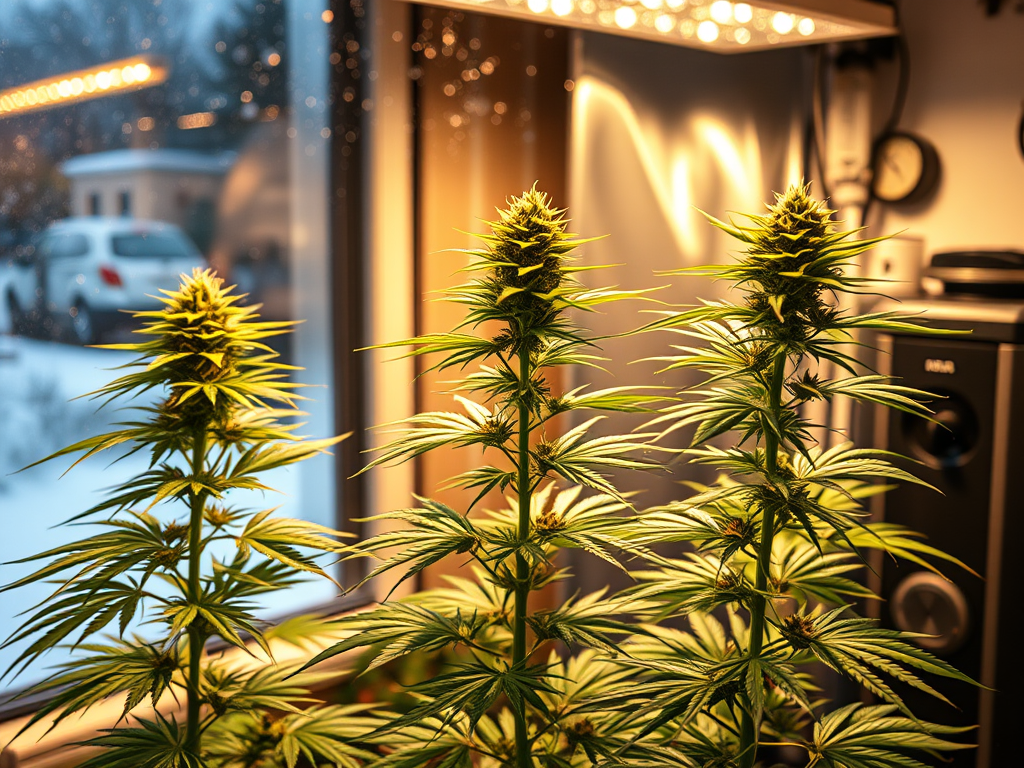

Growing cannabis indoors can be a rewarding experience, especially during the colder winter months when outdoor growing conditions are less than ideal. However, taking care of cannabis plants indoors during winter requires some special attention to ensure your plants thrive. The cold season presents unique challenges, such as reduced natural light, dry indoor air, and temperature fluctuations. With the right strategies, you can keep your cannabis plants healthy and productive throughout the season.
Here’s a guide to help you take care of your cannabis plants indoors during the winter months:
1. Maintain Consistent Temperature
Temperature is one of the most critical factors for healthy cannabis growth. Cannabis plants prefer temperatures between 65°F to 75°F (18°C to 24°C) during the day and slightly cooler temperatures at night. Winter can make it challenging to maintain these temperatures indoors, especially with heating systems that can dry out the air.
To keep your plants comfortable:
- Use a thermometer and hygrometer to monitor both temperature and humidity levels.
- Keep the temperature stable by placing your plants away from direct drafts or heaters, as temperature fluctuations can stress the plants.
- Consider using a space heater with a built-in thermostat to keep the room at a consistent temperature. However, ensure it doesn’t blow directly on the plants, as this can cause heat stress.
- Utilize a heat mat: If your grow space is particularly cold, a heat mat can be used under the pots to provide gentle warmth at the root level.
2. Provide Adequate Lighting
In winter, natural light is often insufficient, especially in regions where the days are short and overcast. Cannabis plants, particularly during the flowering phase, require 12–18 hours of light per day, depending on the growth stage.
Here’s how to make up for the lack of natural light:
- Use high-quality grow lights: LED lights, fluorescent lights, and high-pressure sodium (HPS) lamps are all good options for indoor cannabis cultivation. LED grow lights are energy-efficient, produce less heat, and provide the spectrum needed for healthy growth.
- Adjust light intensity and distance: During the winter, ensure that your grow lights are placed at the proper distance to avoid light stress or burn. The exact distance will depend on the type of light you’re using, so refer to the manufacturer’s guidelines.
- Supplement with light: If your indoor space gets limited sunlight, try to extend the light cycle with artificial lights to make sure your cannabis plants receive adequate exposure.
3. Control Humidity Levels
Winter air tends to be drier, which can affect your plants’ ability to transpire and absorb nutrients. Cannabis thrives in a humidity range of 40-60%, but the indoor air during winter can often fall below this threshold, leading to problems like dry, brittle leaves and nutrient imbalances.
To regulate humidity:
- Use a humidifier: Consider using a room humidifier to maintain optimal humidity levels. This is especially helpful in spaces with forced air heating systems.
- Monitor humidity with a hygrometer: Regularly check the humidity levels in your grow space and adjust the humidifier accordingly.
- Increase humidity around the plants: If a humidifier is unavailable, you can place a tray of water near your plants, or group plants together to create a microclimate with higher humidity.
- Avoid over-watering: Dry air can cause the soil to dry out faster, but it’s important not to overwater your plants as this can lead to root rot. Be mindful of soil moisture and ensure it’s not too wet or dry.
4. Ensure Proper Ventilation
Even though winter air can be dry, proper ventilation is essential to prevent the buildup of stale air, mold, or mildew. Cannabis plants need fresh air to thrive, and a lack of airflow can negatively impact their growth, especially in a sealed indoor environment.
To maintain healthy airflow:
- Install an exhaust fan: Ensure that your grow room has an exhaust fan that helps expel hot air and bring in cooler, fresh air.
- Use an intake fan: This allows fresh air to enter the grow space, ensuring your plants get the oxygen they need.
- Consider oscillating fans: These can help create airflow around your plants, preventing issues like mold and promoting stronger stems by simulating natural wind.
5. Keep an Eye on Pests and Diseases
Winter isn’t immune to pests and diseases; in fact, the dry indoor conditions can sometimes create the perfect environment for spider mites, aphids, and mold. Since you’re growing indoors, your plants are more susceptible to indoor pests.
To prevent and manage pests:
- Inspect plants regularly: Check for any signs of pest activity like discolored leaves, webbing, or tiny insects. If you notice any issues, take action immediately to prevent the infestation from spreading.
- Maintain cleanliness: Ensure your grow area is clean and free of debris where pests might hide. Disinfect tools, pots, and containers between uses.
- Use natural pest control: Insecticidal soap, neem oil, or diatomaceous earth are all natural ways to control pests without harming your plants. Always test any new treatment on a small area of the plant first.
6. Prune and Trim Regularly
Winter growth can slow down due to reduced light and colder temperatures. To help your cannabis plants stay healthy and promote better airflow, consider pruning and trimming during the winter months.
Tips for trimming:
- Remove dead or yellowing leaves: Trim any leaves that are no longer healthy or obstructing airflow.
- Cut back excess growth: If your plants are too tall or bushy, selectively prune to create better light penetration and air circulation.
- Be gentle: Cannabis plants are more sensitive in colder months, so avoid over-pruning, which can stress them out.
7. Water Carefully
The colder months can slow down the evaporation process, meaning that your plants will require less water than in warmer months. Overwatering is a common mistake during winter, as the cool temperatures can prevent the soil from drying out as quickly.
To properly water your plants:
- Let the soil dry out: Before watering, always check if the top 2-3 inches of soil are dry. If they’re still moist, hold off on watering for a few days.
- Water in the morning: This gives the plants time to dry out before the cooler nighttime temperatures set in, preventing excess moisture around the roots.
8. Keep Stress to a Minimum
Cannabis plants are particularly vulnerable to stress in the winter months, especially when they’re adjusting to artificial light and fluctuating temperatures. Try to keep disruptions to a minimum, and avoid sudden changes in the environment.
Best practices include:
- Avoid moving plants around frequently: This reduces the risk of stressing them out or exposing them to drastic temperature changes.
- Provide stable, calm conditions: Keep the room temperature, humidity, and lighting consistent.
Winter might present unique challenges, but it also offers the opportunity to give your cannabis plants the care and attention they need to thrive indoors. By maintaining the right temperature, lighting, humidity, and airflow, you can help your cannabis plants flourish even during the colder months. With patience and the right techniques, your indoor cannabis garden can produce healthy, high-quality buds that will keep you warm all winter long.

