
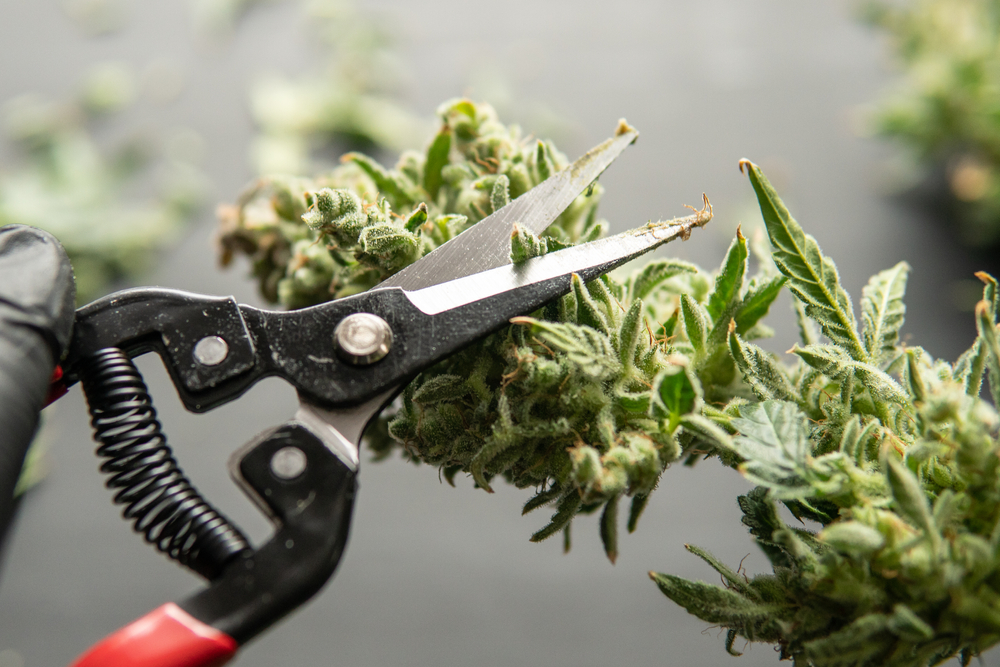

Wet Trimming vs. Dry Trimming: Understanding the Best Method for Your Cannabis Harvest
Harvest time is a critical phase in the cannabis cultivation process. After months of nurturing your plants, it’s finally time to trim and prepare them for drying and curing. However, one question remains: should you opt for wet trimming or dry trimming? Both methods have their pros and cons, and choosing the right one can significantly impact the quality and appearance of your final product. In this article, we’ll explore the differences between wet trimming and dry trimming, helping you make an informed decision for your cannabis harvest.
What is Wet Trimming?

Wet trimming involves trimming your cannabis buds immediately after harvest, while they are still fresh and full of moisture. This method requires you to remove the fan leaves, sugar leaves, and other excess foliage right after cutting the branches from the plant.
Pros of Wet Trimming:
- Easier to Handle: Fresh, wet cannabis leaves are more pliable and easier to cut. This can make the trimming process faster and less labor-intensive.
- Reduced Risk of Mold: Since the buds are trimmed immediately, there’s less plant material that needs to dry, reducing the risk of mold developing during the drying process.
- Less Space Required: Wet trimming requires less space for drying since you’re only hanging the trimmed buds instead of entire branches.
Cons of Wet Trimming:
- Stickiness: Freshly harvested cannabis is incredibly sticky due to the high resin content, which can make handling and trimming a messy task.
- Trichome Damage: The stickiness can also lead to trichomes (the tiny, resinous glands on the buds) sticking to your scissors and gloves, potentially resulting in loss of potency.
- Faster Drying: Buds trimmed wet can dry faster, which might lead to a harsher smoke if not carefully monitored.
What is Dry Trimming?

Dry trimming, on the other hand, involves letting the entire cannabis plant, or large branches, dry before trimming off the excess leaves and foliage. This method allows the buds to dry with the leaves intact, which can help protect the trichomes and preserve the flavor profile.
Pros of Dry Trimming:
- Improved Flavor and Aroma: Dry trimming can help retain more of the plant’s natural terpenes, leading to a more flavorful and aromatic final product.
- Preservation of Trichomes: The leaves protect the delicate trichomes during the drying process, potentially resulting in a more potent product.
- Slower Drying Process: A slower drying process can enhance the overall quality of the buds, leading to a smoother smoke.
Cons of Dry Trimming:
- More Labor-Intensive: Once dried, the leaves become brittle and harder to trim, making the process more time-consuming and labor-intensive.
- Increased Risk of Mold: The increased moisture content of whole branches can lead to a higher risk of mold if the drying environment is not properly controlled.
- More Space Required: Drying whole branches or entire plants requires more space, which can be a limitation for growers with restricted drying areas.
Which Method is Right for You?
Choosing between wet trimming and dry trimming largely depends on your specific circumstances and preferences. Here are a few factors to consider:
- Climate and Humidity: If you live in a humid environment, wet trimming might be preferable to reduce the risk of mold. Conversely, if you have a controlled drying environment, dry trimming might be the way to go for better flavor and potency.
- Scale of Operation: For large-scale operations, wet trimming can be more efficient and less labor-intensive. Small-scale growers might prefer dry trimming to maximize the quality of their buds.
- Desired End Product: If you prioritize a high-quality, flavorful, and aromatic product, dry trimming might be worth the extra effort. If you’re looking for efficiency and ease, wet trimming could be your best bet.
- Available Resources: Consider the space you have for drying, the tools at your disposal, and the time you can dedicate to the trimming process. These practical considerations can significantly influence your decision.
Both wet trimming and dry trimming have their unique advantages and drawbacks. Wet trimming offers ease and speed, making it ideal for those looking to process their harvest quickly and efficiently. Dry trimming, while more labor-intensive, can result in a higher quality product with enhanced flavor and potency.
Ultimately, the choice between wet and dry trimming comes down to your personal preferences, resources, and the specific conditions of your growing environment. By understanding the pros and cons of each method, you can make an informed decision that best suits your needs and ensures a successful and satisfying cannabis harvest. Happy trimming!

