
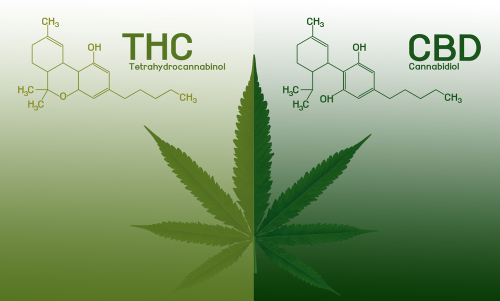

These five letters may sound like alphabet soup, but they represent some of the most intriguing compounds found in the cannabis plant. Each one interacts with the human body in unique ways, and understanding their differences can help you make informed choices. Here’s a breakdown:
CBD (Cannabidiol):
- Psychoactive: No, unlike THC, CBD won’t get you “high.”
- Effects: Anti-inflammatory, pain-relieving, anxiety-reducing, and neuroprotective properties are just some of its potential benefits. It’s widely used for various conditions like chronic pain, epilepsy, and insomnia.
- Interaction with ECS: CBD doesn’t directly activate cannabinoid receptors, but it indirectly influences the endocannabinoid system (ECS) by enhancing the activity of natural endocannabinoids.
CBG (Cannabigerol):
- Psychoactive: No, similar to CBD, CBG is non-psychoactive.
- Effects: Research is still ongoing, but CBG shows promise in reducing inflammation, improving eye health, and supporting bone health. It’s also thought to have neuroprotective and antibacterial properties.
- Interaction with ECS: CBG interacts with different receptors in the ECS, potentially influencing mood, appetite, and pain perception. It may also act as a precursor to other cannabinoids, including THC.
CBN (Cannabinol):
- Psychoactive: Mildly psychoactive, depending on the amount. CBN is a breakdown product of THC, so it can sometimes be found in aged cannabis.
- Effects: May promote sleep, relieve pain, and reduce inflammation. Its potential for treating glaucoma and neurodegenerative diseases is also being explored.
- Interaction with ECS: Similar to CBD, CBN doesn’t directly activate main cannabinoid receptors but interacts with others in the ECS to produce its effects.
THC (Tetrahydrocannabinol):
- Psychoactive: Yes, THC is the main psychoactive compound in cannabis and produces the “high” sensation.
- Effects: Can induce euphoria, relaxation, pain relief, and increased appetite. However, it can also cause anxiety, paranoia, and cognitive impairment in high doses.
- Interaction with ECS: THC directly activates CB1 receptors in the brain and other organs, producing its psychoactive and therapeutic effects.
THCa (Tetrahydrocannabinolic Acid):
- Psychoactive: No, THCa itself is not psychoactive. It’s the precursor to THC and needs to be decarboxylated (heated) to become active.
- Effects: Found in fresh cannabis plants, THCa may have its own therapeutic benefits, such as reducing inflammation and protecting cells from damage.
- Interaction with ECS: Similar to THC, THCa can potentially activate CB1 receptors after decarboxylation, producing psychoactive and therapeutic effects.
Remember: This is just a basic overview. Each cannabinoid has its own unique set of properties and potential effects, and research is constantly evolving. Consulting a healthcare professional can help you understand how these compounds might interact with your individual body and needs.

